
Selling smartphones used to be the easiest business on earth. Everyone wanted one, each new model was a genuine leap over the last, and margins were fat. Those days are gone. The smartphone is a mature product now—most people hold onto their devices for three or four years, and the yearly upgrades are incremental at best. Plenty of manufacturers have already folded, leaving Samsung and Apple to fight over a shrinking pie.
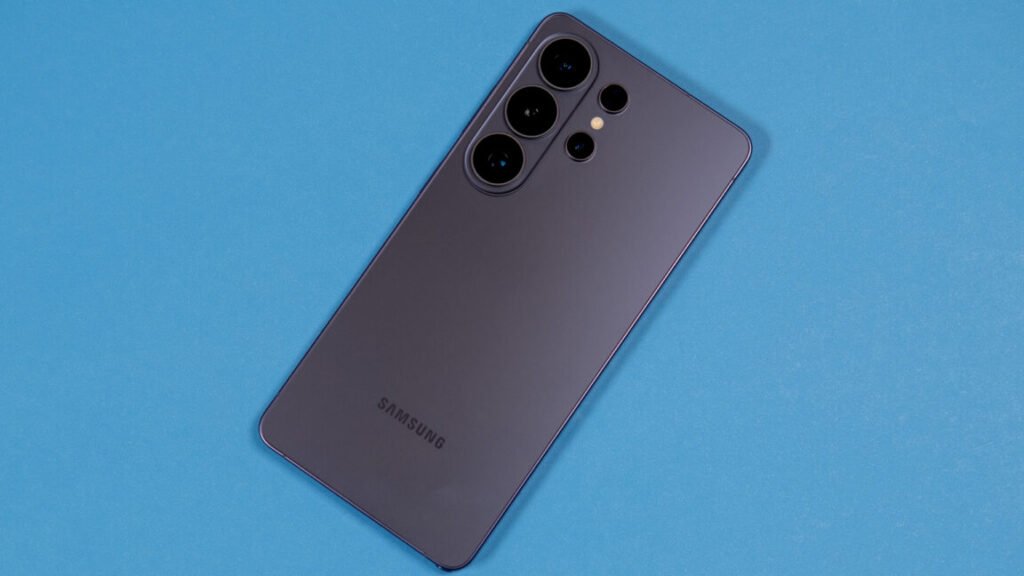
But even Samsung might finally hit a wall in 2026. According to a report from Korean outlet Money Today, Samsung MX (Mobile Experience) head TM Roh has warned company leadership that the division could post its first net loss on smartphones in the company’s history. Let that sink in: Samsung has weathered economic recessions, the COVID supply chain nightmare, and the Note 7 fiasco without losing money on phones. Now, in a year when the Galaxy S26 is reportedly selling well, they’re worried about going red.
The culprit isn’t weak demand or a bad product. It’s the memory market—specifically DRAM and NAND. Prices for these components have gone absolutely bananas, driven by the insatiable appetite of AI infrastructure. Every hyperscaler on earth is hoarding LPDDR5x memory for AI servers, and that’s the same type of RAM your phone uses.
To put this in perspective: Nvidia’s upcoming Vera AI CPU, which will replace the Grace later this year, can pack up to 1.5 TB of LPDDR5x memory. A single rack-scale AI platform will contain 36 Vera CPUs alongside 72 Rubin GPUs. The CPUs in just one of those servers will consume enough RAM for roughly 4,600 Galaxy S26 Ultra devices (assuming 12GB each). When you’re competing against that kind of demand, your phone margins start looking very thin.
Samsung isn’t exactly a victim here—they make the memory too. But the mobile division and the semiconductor division are separate profit centers, and internal transfer pricing doesn’t offer much shelter when spot prices are through the roof. The MX team has to buy memory on the open market just like everyone else, and they’re getting squeezed.
I’ve seen this pattern before. Every time a new compute paradigm takes off, the component supply chain gets distorted. The PC boom, the smartphone boom, the crypto mining craze—each one created shortages that hurt adjacent industries. The difference this time is scale. AI isn’t a niche; it’s swallowing entire fabs of production capacity.
What does this mean for consumers? If Samsung’s margins get crushed, they’ll either raise prices or cut corners. The S26 might be the last flagship that feels like a premium product without a matching premium price tag. And if the net loss actually materializes, expect some serious soul-searching inside Samsung about whether the smartphone business is still worth fighting for.
Comments (0)
Login Log in to comment.
Be the first to comment!