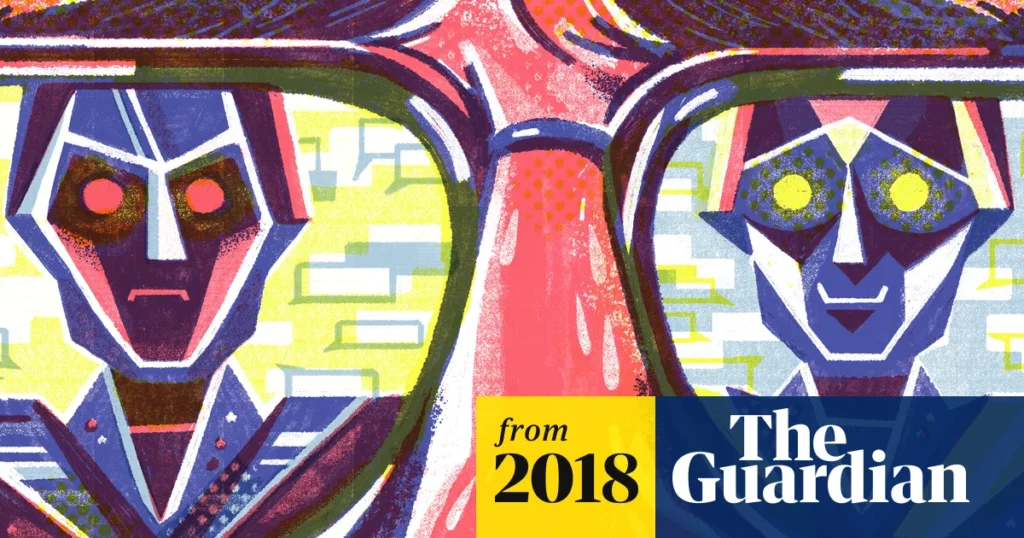

Back in 2017, Facebook researchers published a paper showing how their negotiation bots sometimes generated nonsense like “Balls have zero to me to me to me.” It was a minor bug—they forgot to limit the bots to proper English syntax. Nothing more.
Fast Company ran with: “AI Is Inventing Language Humans Can’t Understand. Should We Stop It?” Then the Sun compared it to The Terminator. Facebook supposedly “panicked and pulled the plug.”
I remember reading that and rolling my eyes so hard I nearly pulled a muscle. This wasn’t groundbreaking. It wasn’t even particularly interesting to anyone who’s spent five minutes in NLP. But the narrative was too juicy to resist: rogue AI, secret language, panicked engineers.
Zachary Lipton at Carnegie Mellon called it the “AI misinformation epidemic” back then. Seven years later, nothing has changed. If anything, it’s gotten worse.
This isn’t new—it’s literally 70 years old
The Eniac was called an “electronic brain” in 1946. The physicist who tried to correct the record got ignored. The perceptron in 1958 was going to “walk, talk, see, write, reproduce itself and be conscious of its own existence” according to the New York Times. It could barely recognize patterns.
Every generation rediscovers the same hype cycle. Researchers get funding from the buzz, then spend years trying to manage expectations that were never realistic. Minsky himself said machines would surpass human intelligence in his lifetime. He co-authored a book later that proved exactly how hard that actually was.
The pattern is embarrassingly predictable: interesting but narrow result → breathless headline → viral panic → researchers sighing into their coffee.
Social media made it worse
What’s different now is the incentive structure. Back in the 60s, you needed an actual journalist to file a story. Now anyone with a Twitter account and a willingness to paraphrase Elon Musk can call themselves an “AI influencer.” The algorithm rewards hot takes over accuracy, and the race to the bottom is real.
I’ve seen substack posts with zero technical understanding go viral because they confirmed someone’s fear that GPT-5 is secretly conscious. I’ve seen researchers get death threats over papers that were misrepresented as building killer robots. This isn’t just bad journalism—it’s actively harmful.
The real danger isn’t that AI will suddenly become sentient and turn on us. It’s that the constant noise makes it impossible to have a serious conversation about actual risks: bias in hiring algorithms, privacy violations, concentration of power, job displacement. While everyone’s panicking about SkyNet, the real problems get ignored.
What should the press actually do?
It’s not that hard. Talk to actual researchers. Read the damn paper before writing about it. Don’t assume the most dramatic interpretation is the correct one. And for the love of god, stop comparing every new model to The Terminator.
We’ve been here before. We’ll be here again. The only question is whether we learn anything from the last 70 years of getting it wrong.
Comments (0)
Login Log in to comment.
Be the first to comment!