
Nuclear power is having a moment. Tech companies desperate to juice up their data centers are throwing serious money at it, and for once, both sides of the political aisle seem okay with the idea. But here’s the thing nobody in the boardroom wants to talk about: all those shiny new reactors still produce the same old radioactive garbage, and we still have no clue where to stick it long-term.
Every year, US reactors churn out about 2,000 metric tons of high-level waste. That’s the really nasty stuff—spent fuel rods that will stay dangerously radioactive for tens of thousands of years. And right now, it’s all sitting in temporary storage at reactor sites, cooling in pools or sealed in steel-and-concrete casks. Experts say those methods are safe enough for now, but they were never meant to be permanent. They’re a stopgap that’s been stretching for decades.
Globally, the consensus on a permanent solution is a deep geological repository. Dig a hole hundreds of meters underground, put the waste in, fill it with concrete, and call it a day. Sounds simple, but actually getting one built has proven to be a political and logistical nightmare.
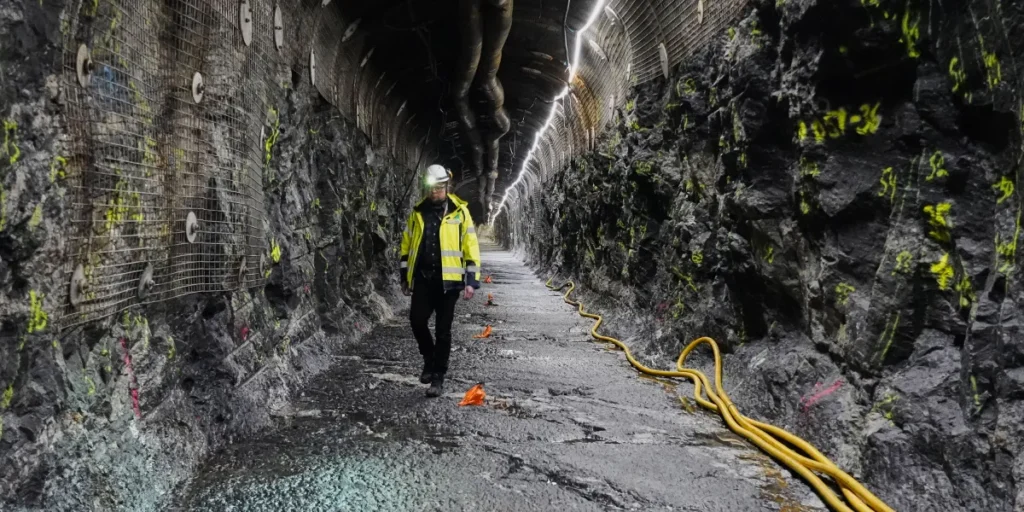
Finland is the closest. They started planning in the 1980s, picked a site in the early 2000s, and as of 2026, they’re testing the facility. Final approvals are expected soon, and they might start accepting waste later this year. That’s about 40 years from concept to operation. France isn’t far behind—they reprocess a lot of their spent fuel into MOX (mixed oxide) fuel, which sounds clever but still leaves leftovers that need a home. Their repository plan could get initial approvals later this decade, with pilot operations by 2035.
Then there’s the US. Technically, we have a designated site: Yucca Mountain in Nevada. Congress picked it back in 1987. But it’s been dead in the water since 2011 when the feds stopped funding it, thanks to political opposition. So the waste keeps piling up at reactor sites across the country, and nobody in Washington seems to have the stomach to revive the project.
Meanwhile, the nuclear industry is ramping up globally. China has the fastest-growing nuclear program in the world. Countries like Bangladesh and Turkey are building their first reactors. And in the US, Big Tech is funding next-generation reactors with different coolants, fuels, and designs. Those might be safer and more efficient, but they still produce waste—sometimes in different forms, but still waste that needs a permanent home.
This is where the new money and attention should be going. A tiny fraction of what tech companies are pouring into nuclear could fund serious progress on waste storage. Some experts are even calling for a new US organization to manage nuclear waste, separate from the Department of Energy, modeled after the programs in Finland, Canada, and France. That makes sense—the DOE has been dragging its feet for decades, and a fresh, focused agency might actually get something done.
Look, I get it. Building a deep geological repository is expensive, takes decades, and nobody wants it in their backyard. But the alternative is what we’re doing now: kicking the can down the road while the pile of radioactive material grows. Finland started planning in the 1980s and is almost there. The US started planning in the 1980s too, and we’ve got nothing to show for it but a half-dug hole in Nevada.
If the nuclear renaissance is real—and I think it might be—then the industry and its deep-pocketed customers need to push for a real waste solution. The best time to start was 40 years ago. The second-best time is now. And with all that AI money floating around, there’s no excuse for not making it happen.
Comments (0)
Login Log in to comment.
Be the first to comment!