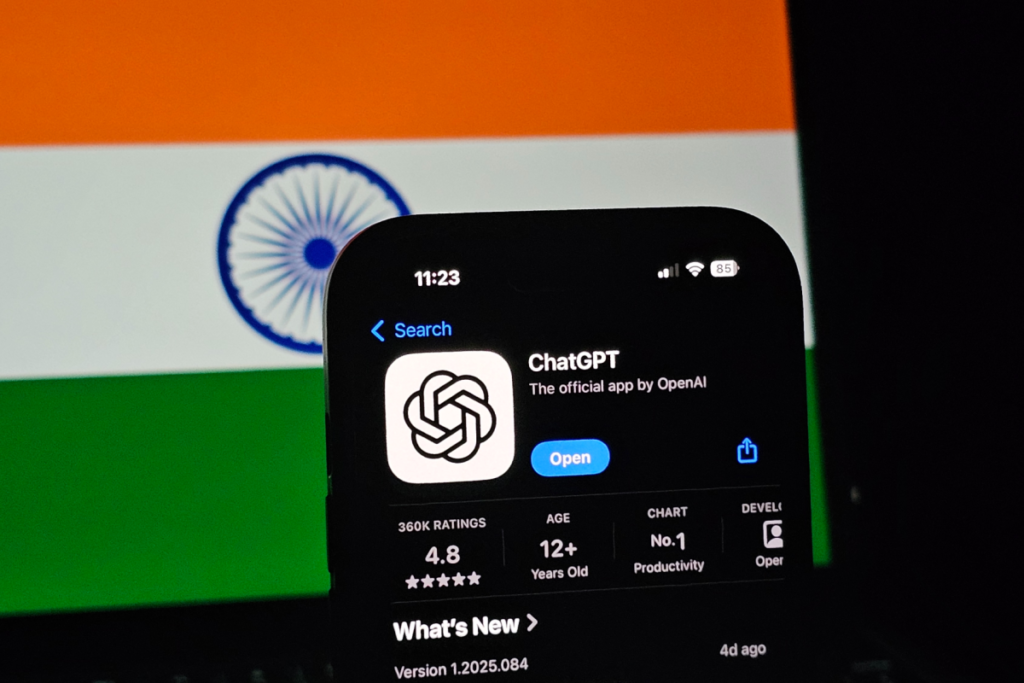

OpenAI rolled out ChatGPT Images 2.0 a few weeks back, and the reception has been… uneven. If you look at the usage numbers, India is absolutely crushing it. Users there are generating everything from stylized avatars to cinematic portraits at a pace that dwarfs other regions. But elsewhere? The enthusiasm is more muted.
I’ve been watching this rollout closely, partly because I’ve been testing the tool myself and partly because the geographic split is fascinating. In India, the feature seems to have hit a cultural sweet spot. People are using it for profile pictures, wedding invitations, even quirky memes for WhatsApp groups. It’s personal, it’s visual, and it’s cheap enough to experiment with.
But in the US and Europe, the vibe is different. A lot of early adopters I’ve talked to say the results feel generic or too “AI-ish” for serious use. The tool does produce decent images, but compared to specialized services like Midjourney or DALL·E 3, it lacks the fine-grained control that power users expect. There’s also the nagging issue of consistency — your second generation might look nothing like the first, which is frustrating if you’re trying to build a brand asset.
OpenAI’s move here is clever though. By targeting a mass-market audience with a low barrier to entry, they’re collecting a mountain of training data from regions where visual AI adoption is still nascent. India’s mobile-first, socially-driven internet culture makes it a perfect testing ground. The question is whether the rest of the world will follow, or if ChatGPT Images 2.0 remains a regional hit.
I suspect the answer depends on two things: quality improvements and use-case expansion. If OpenAI can tighten up the style consistency and add more editing features, the tool could easily bridge the gap. But if they leave it as-is, it might end up as a fun toy rather than a serious creative tool. For now, I’d call it a promising experiment with an uneven start.
Comments (0)
Login Log in to comment.
Be the first to comment!