
The first 24 hours of the US assault on Iran saw more than 1,000 targets hit. That’s nearly double the scale of the “shock and awe” attack on Iraq two decades ago. You don’t achieve that kind of acceleration without some serious automation in the targeting loop.
The system responsible is the Maven Smart System, the direct descendant of Project Maven—a program that started in 2017 as a relatively modest experiment in applying computer vision to drone footage. Back then, analysts were drowning in video feeds. The idea was simple: let an algorithm flag potential targets so humans could focus on the interesting stuff.
What happened next is well-known in tech circles: Google employees revolted. They didn’t want their company building AI for warfare, and the backlash forced Google to walk away from the contract in 2018. The military, left without its preferred contractor, had to figure out how to build the system itself.
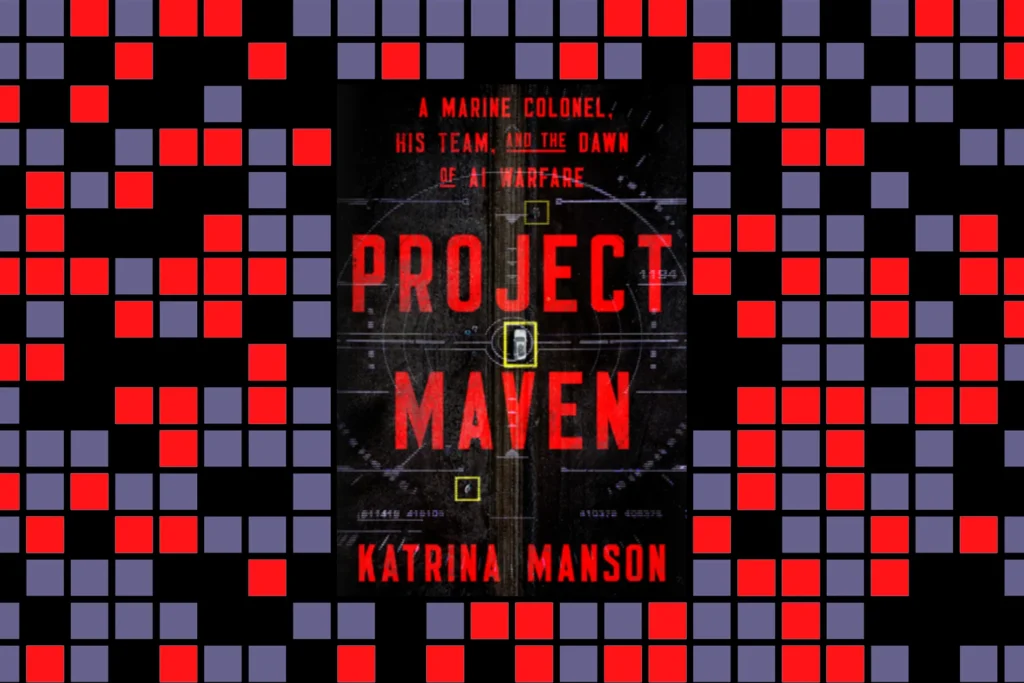
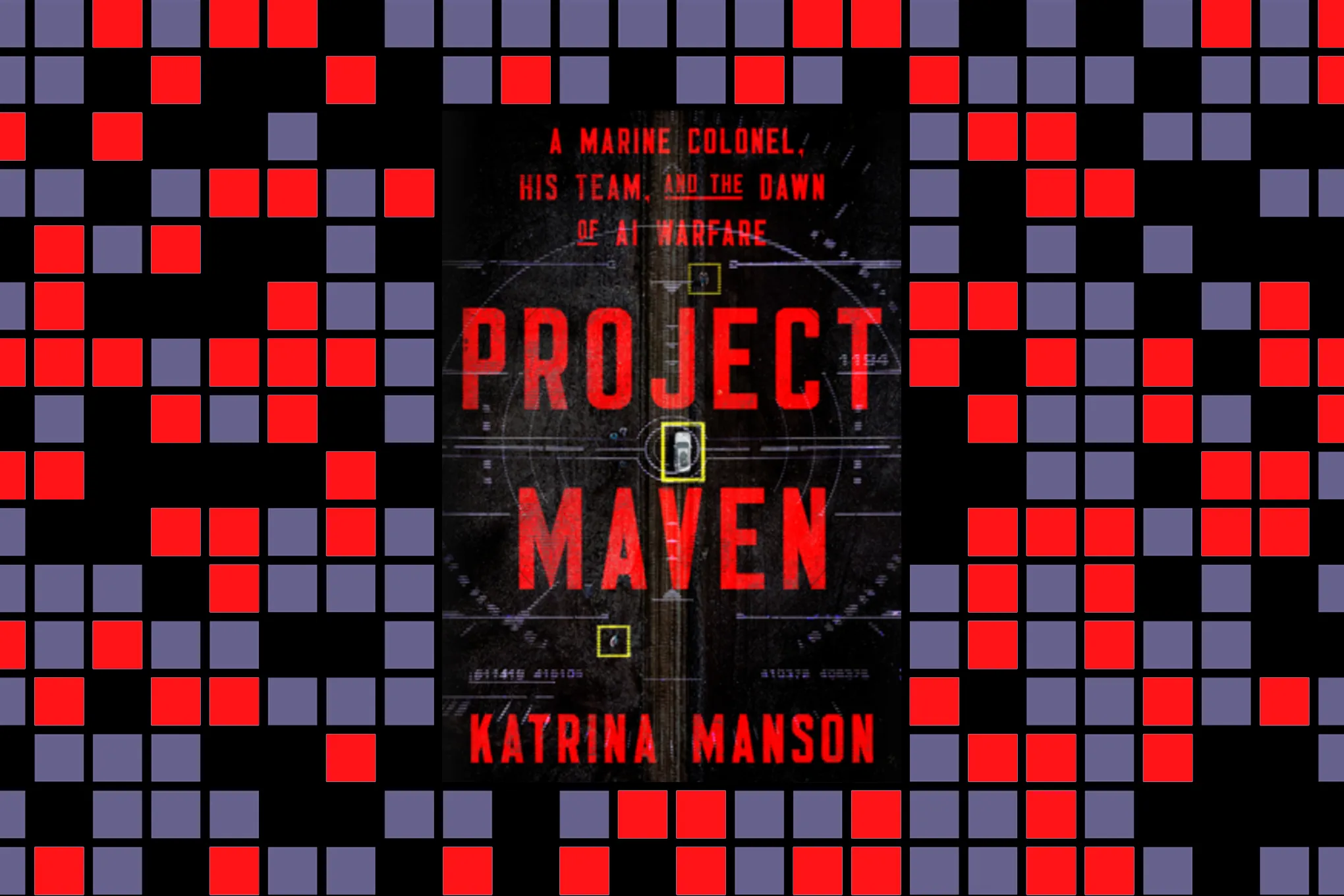
Journalist Katrina Manson’s new book, Project Maven: A Marine Colonel, His Team, and the Dawn of AI Warfare, digs into exactly how that transition happened. The story centers on Colonel Matt “Nomad” Reilly and his small team, who essentially had to bootstrap the military’s AI capability from scratch after Google bailed.
What’s striking is how quickly the military moved from skepticism to full embrace. Early Maven systems were clunky—accuracy issues, false positives, integration headaches. But the alternative was human analysts spending 12-hour shifts staring at grainy footage, missing critical movements because their brains had checked out. The AI didn’t need to be perfect; it just needed to be better than exhausted humans.
By 2020, Maven was already feeding targeting recommendations in active theaters. By 2026, it’s handling operations at a scale that would have been unthinkable a decade ago. The 1,000-target first day in Iran isn’t just a number—it represents a fundamental shift in how the military plans and executes strikes.
Manson’s reporting doesn’t shy away from the ethical questions. The same algorithms that can spot a convoy of trucks can also misidentify civilians. The speed that makes the system so effective also compresses the decision-making timeline, leaving less room for human judgment. The military insists there’s always a human in the loop, but when you’re processing thousands of targets per day, that human is mostly just rubber-stamping AI recommendations.
The Google protestors weren’t wrong to be worried. But the reality is that the military was going to develop this capability with or without Silicon Valley’s blessing. The only question was whether it would be built responsibly. Maven’s track record is mixed—there have been documented cases of targeting errors, though the military is predictably tight-lipped about specifics.
What I find most interesting about this story is how it mirrors the broader AI adoption curve in defense. Initial resistance, messy prototyping, gradual improvements, then sudden acceleration once the technology proves itself. The military didn’t suddenly love AI; it just realized the alternative was losing wars.
Manson’s book is worth reading if you care about where this technology is heading. The Iran campaign is likely just a preview of what fully AI-integrated warfare looks like. Whether that’s something to celebrate or fear depends largely on whether the people building these systems learn from Maven’s mistakes—or just iterate on them.
Comments (0)
Login Log in to comment.
Be the first to comment!