
I’ve been reading about AI for years, and I’m used to the usual talking points—efficiency, automation, the future of work. But this piece from The Guardian, based on interviews with workers in Kenya and Uganda, hits different. It’s not about algorithms or GPUs. It’s about people like Mercy, who watched a video of a fatal car crash on her screen, only to realize the victim was her grandfather.
Mercy works as a content moderator for Meta, outsourced to a center in Nairobi. Her job is to flag violent or graphic content on Facebook. She has 55 seconds per ticket. That day, she kept seeing the same crash, from different angles, over and over. Her supervisor told her she could have the next day off—but she should finish her shift first. This isn’t an anomaly. It’s the norm.
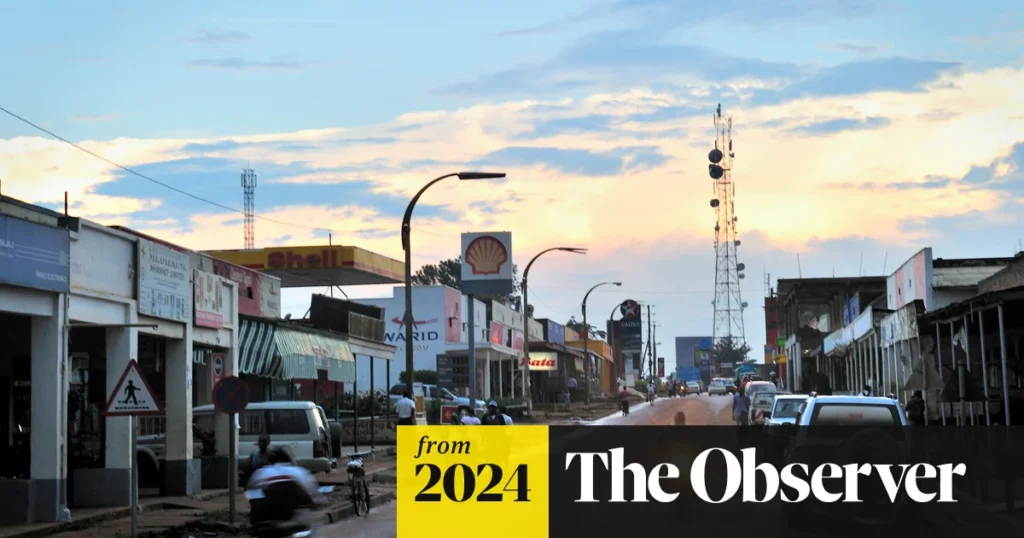
These workers are the invisible backbone of AI. They label data so algorithms can learn, and they scrub social media of the worst humanity has to offer. They do it for about a dollar an hour. The centers are in Gulu, Uganda, and Nairobi, Kenya—places where jobs are scarce and desperation is high.
The psychological toll is brutal. Moderators watch suicides, torture, and rape “almost every day,” one told researchers. They’re expected to process 500 to 1,000 tickets per shift. They’re told to see a “wellness counselor”—a colleague with no training—for 30 minutes a week. If they run from their desks after seeing something horrific, they get marked down for not logging a bathroom break. Some have attempted suicide. Others have lost their spouses.
And it’s not just the violence. One moderator said the sexually explicit content was even worse. The job demands you watch the entire video to find the highest violation—bullying is lower than incitement, incitement lower than violence—so you can’t look away. You have to sit through every frame, every scream, every second.
This is what “AI” looks like on the ground. It’s not magic. It’s people in the Global South, paid poverty wages, processing trauma so that you can scroll through a clean feed. The tech companies call it “data annotation” or “content moderation.” The workers call it survival.
I’ve seen this pattern before. Outsourcing the dirty work to countries with weak labor laws is as old as capitalism. But there’s something uniquely grim about AI’s reliance on human suffering. Every time a model gets better at recognizing hate speech or generating safe responses, it’s because someone like Mercy paid the price.
What bothers me most is the silence. These companies release splashy demos and talk about “responsible AI,” but they don’t mention the workers in Nairobi who are damaged by the job. They don’t mention the 10-hour shifts, the quotas, the supervisors who tell you to finish your shift after you watch your own grandfather die.
This isn’t a call for boycotts or outrage. It’s a reminder that every piece of AI you use has a human cost. And that cost is disproportionately borne by people who earn less than the price of a coffee for a day’s work. If we’re going to build this future, we need to talk about who’s actually building it—and what it’s doing to them.
Comments (0)
Login Log in to comment.
Be the first to comment!