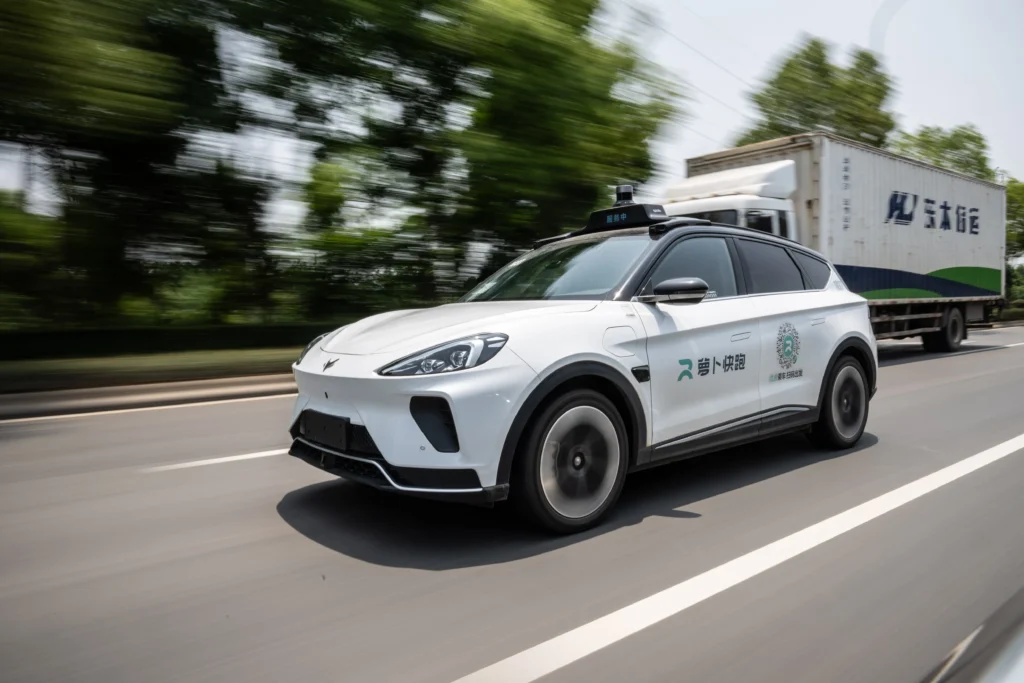

China has hit pause on issuing new licenses for autonomous vehicles, according to Bloomberg’s sources. The decision follows an incident last month in Wuhan where dozens of Baidu Apollo Go robotaxis simply stopped in traffic, creating a massive headache for everyone involved.
The freeze isn’t just symbolic. It stops companies from adding more driverless cars to their fleets, expanding into new cities, or even starting fresh test projects. And there’s no word yet on when the freeze will lift.
Bloomberg reports that the Wuhan fiasco spooked authorities in Beijing enough that regulators are now telling local governments to take a hard look at the sector. The goal? Avoid a repeat performance.
I’ve been watching this space for a while, and honestly, this feels like an overcorrection. One bad traffic jam and the whole industry gets grounded? But then again, when a fleet of robotaxis decides to take a collective nap in the middle of a busy city, it’s not exactly a great advertisement for the technology. Baidu’s Apollo Go has been a poster child for Chinese autonomous driving, so this is a black eye for them and the sector as a whole.
The move also highlights a tension that’s been brewing for years: regulators want to support innovation, but they also want to avoid public embarrassment or worse, safety incidents. The Wuhan incident wasn’t a crash, but it was chaos. And chaos in a city of 11 million people doesn’t go unnoticed.
What’s next? Hard to say. The freeze gives everyone time to breathe, but it also creates uncertainty for companies that have been betting big on autonomous taxis. Baidu, Pony.ai, and others have been expanding aggressively. Now they’re stuck in neutral.
I’m not saying the freeze is the wrong call. But I do think the industry needs clearer guidelines from the start. If regulators are going to pull the plug every time something goes wrong, it’s going to be a bumpy ride for everyone.
For now, Wuhan’s robotaxis are still on the road, but no new ones are joining them anytime soon. And that’s a sobering thought for a technology that’s supposed to be the future of transportation.
Comments (0)
Login Log in to comment.
Be the first to comment!