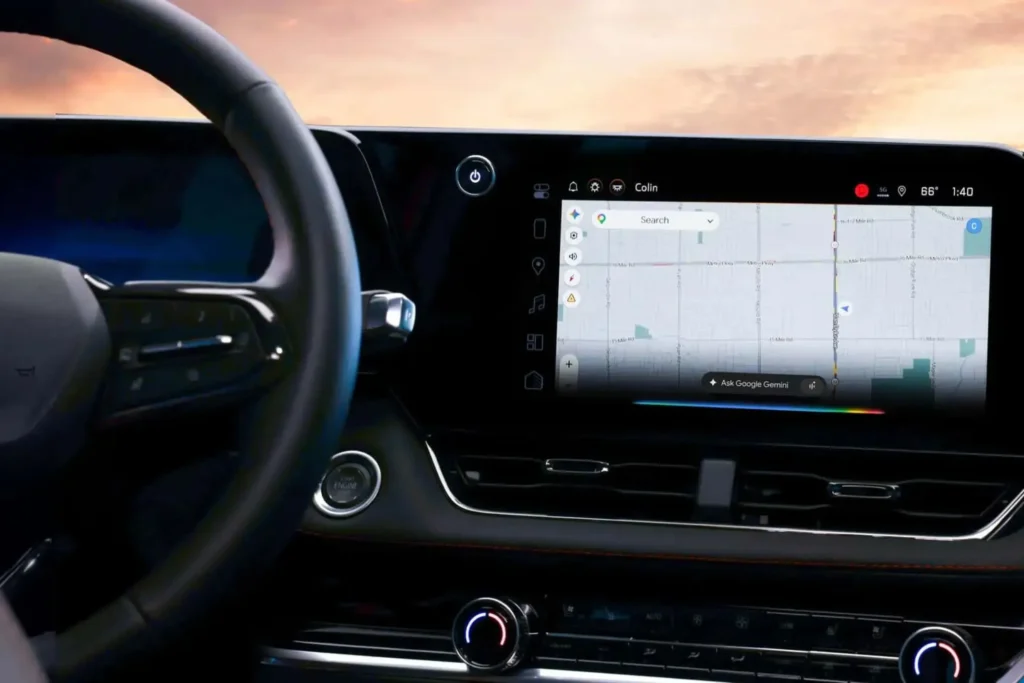

General Motors just announced it’s bringing Google’s Gemini AI assistant to roughly four million vehicles across the US. The eligible cars? Model year 2022 and newer Cadillac, Chevrolet, Buick, and GMC vehicles that already have Google built-in. The upgrade comes via over-the-air software updates to the infotainment system, rolling out “over several months,” according to GM’s announcement.
GM is framing this as “one of the largest deployments of Gemini in the industry.” They claim customers will notice an upgrade from the current Google Assistant to a “smarter, more intuitive AI assistant that continues to improve over time.”
I’ve been using Google Assistant in cars for years now, and honestly, it’s been fine for basic stuff—navigation, music, texts. But “smarter” and “more intuitive” are the kinds of buzzwords that make me skeptical. Every AI company says that. The real question is whether Gemini actually understands context better than the old Assistant, or if it’s just going to hallucinate directions to a diner that closed in 2019.
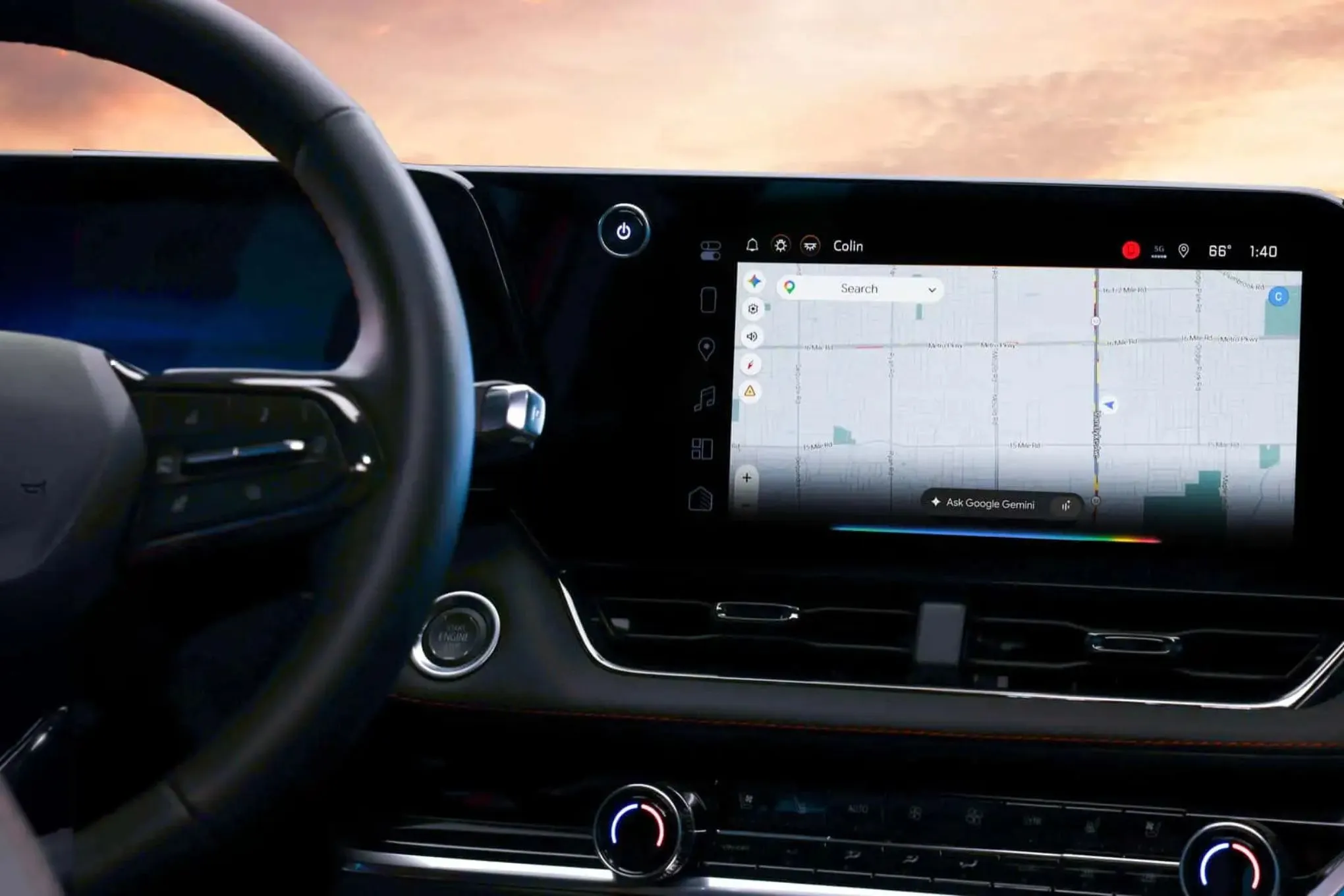
Let’s be real: adding an LLM to a car’s voice assistant is a fundamentally different beast than slapping it on a phone or a smart speaker. In a car, you don’t want the assistant to be chatty or creative. You want it to be fast, accurate, and stay the hell out of your way while you’re merging onto the highway. If Gemini starts suggesting detours based on a poetic interpretation of traffic data, that’s a safety risk, not a feature.
GM didn’t share specifics on what exactly Gemini will do differently. Will it handle multi-turn conversations better? Can you say “find the nearest EV charger that’s not broken and has a diner nearby” and have it actually work? The old Assistant struggled with that kind of compound request. If Gemini nails it, that’s genuinely useful. If it’s just the same old Assistant with a new logo and a slightly larger model under the hood, that’s a marketing exercise.
Also worth noting: this is an over-the-air update, which means it’s not a hardware change. The underlying infotainment system in these cars already runs Android Automotive, so the switch is mostly software. That’s good—no one wants to buy a new car just for a better voice assistant. But it also means the AI is running on whatever chipset GM put in those cars in 2022. I’d be curious to see how much latency that introduces. On a phone, Gemini can tap into cloud servers almost instantly. In a car with potentially spotty cellular connectivity, that could get frustrating.
I’ve been testing a similar setup in a rental Chevy Equinox last month, and the existing Google Assistant was fine for setting the temperature and playing Spotify. But it had no idea what I meant when I asked “what’s that restaurant we passed five minutes ago?” That kind of contextual memory is where Gemini could actually shine—or fall flat if the implementation is half-baked.
GM says the rollout takes “several months,” which is typical for these things. They’ll probably stagger it by model and region to catch bugs before a full push. The real test will come when early adopters start posting about it on forums. I’ll be watching those threads closely.
For now, I’m cautiously optimistic. The old Assistant has been stagnant for years. If Gemini brings genuine improvements to natural language understanding and task completion, this could be the best thing to happen to in-car voice control since, well, the original Google Assistant. But if it’s just a glorified chatbot that takes longer to respond and occasionally tells you to take a left into a lake, we’re going to have a problem.
Either way, four million cars is a lot of beta testers.
Comments (0)
Login Log in to comment.
Be the first to comment!